本文主要是介绍@SpringBootApplication和SpringApplication.run源码解析:,希望对大家解决编程问题提供一定的参考价值,需要的开发者们随着小编来一起学习吧!
文章目录
- 一、@SpringBootApplication和自动配置
- 1、主要功能
- 2、@SpringBootConfiguration
- 3、@EnableAutoConfiguration
- 4、@ComponentScan
- 5、Spring boot自动配置
- 5.1、@Configuration开启自动配置
- 5.2、查看自动配置
- 5.3、禁用自动配置
- 二、run()
当前版本
<spring-boot.version>2.3.12.RELEASE</spring-boot.version>
一、@SpringBootApplication和自动配置
/*** Indicates a {@link Configuration configuration} class that declares one or more* {@link Bean @Bean} methods and also triggers {@link EnableAutoConfiguration* auto-configuration} and {@link ComponentScan component scanning}. This is a convenience* annotation that is equivalent to declaring {@code @Configuration},* {@code @EnableAutoConfiguration} and {@code @ComponentScan}.** @author Phillip Webb* @author Stephane Nicoll* @author Andy Wilkinson* @since 1.2.0*/
@Target(ElementType.TYPE)
@Retention(RetentionPolicy.RUNTIME)
@Documented
@Inherited
@SpringBootConfiguration
@EnableAutoConfiguration
@ComponentScan(excludeFilters = { @Filter(type = FilterType.CUSTOM, classes = TypeExcludeFilter.class),@Filter(type = FilterType.CUSTOM, classes = AutoConfigurationExcludeFilter.class) })
public @interface SpringBootApplication {
1、主要功能
- @EnableAutoConfiguration:启用Spring Boot的自动配置机制。
- == @ComponentScan==:对应用程序所在的包启用 @Component 扫描(见最佳实践)。
- @SpringBootConfiguration:允许在Context中注册额外的Bean或导入额外的配置类。这是Spring标准的 @Configuration 的替代方案,有助于在你的集成测试中检测配置。
这几个功能都可以一定程度的自定义 ,列如你不需要在你的应用程序中使用组件扫描或配置属性扫描。
当@SpringBootConfiguration(proxyBeanMethods = false)就 不能自动检测到 @Component 和 @ConfigurationProperties(这两个是SpringBootConfiguration类下引用了这两个注解) 注解的类,而是明确导入用户定义的Bean
@SpringBootConfiguration(proxyBeanMethods = false)
@EnableAutoConfiguration
@Import({ SomeConfiguration.class, AnotherConfiguration.class })
public class MyApplication {public static void main(String[] args) {SpringApplication.run(MyApplication.class, args);}}
2、@SpringBootConfiguration
//指示类提供Spring Boot application@Configuration。
//可以用作Spring的标准@Configuration注释的替代品,以便可以自动找到配置(例如在测试中)。
//应用程序应该只包含一个@SpringBootConfiguration,大多数惯用的SpringBoot应用程序将从@SpringBootApplication继承它。
@Target(ElementType.TYPE)
@Retention(RetentionPolicy.RUNTIME)
@Documented
@Configuration
@Indexed
public @interface SpringBootConfiguration {
3、@EnableAutoConfiguration
启用Spring应用程序上下文的自动配置,尝试猜测和配置您可能需要的bean。自动配置类通常基于类路径和您定义的bean来应用。例如,如果您的类路径上有tomcat-embedded.jar,那么您可能想要一个TomcatServlet WebServerFactory(除非您定义了自己的Servlet WebServerFactoryBean)。
当使用@SpringBootApplication时,上下文的自动配置会自动启用,因此添加此注释没有其他效果。
自动配置试图尽可能地智能化,并将随着您定义更多自己的配置而退出。您总是可以手动排除()任何您永远不想应用的配置(如果您没有访问权限,请使用excludeName())。您也可以通过spring.autoconfig.exclude属性排除它们。自动配置总是在用户定义的bean注册后应用
@Target(ElementType.TYPE)
@Retention(RetentionPolicy.RUNTIME)
@Documented
@Inherited
@AutoConfigurationPackage
@Import(AutoConfigurationImportSelector.class)
public @interface EnableAutoConfiguration {
4、@ComponentScan
配置与@Configuration类一起使用的组件扫描指令。提供与Spring XML的<context:component scan>元素并行的支持。
可以指定basePackageClasses或basePackages(或其别名值)来定义要扫描的特定包。
如果未定义特定的包,则将从声明此注释的类的包进行扫描。
请注意,context:component-scan元素具有annotation-config属性;然而,这个注释没有。这是因为在几乎所有情况下,当使用@ComponentScan时,都会假设默认的注释配置处理(例如处理@Autowired和friends)。
此外,当使用AnnotationConfigApplicationContext时,注释配置处理器始终是注册的,这意味着在@ComponentScan级别禁用它们的任何尝试都将被忽略。
@Retention(RetentionPolicy.RUNTIME)
@Target(ElementType.TYPE)
@Documented
@Repeatable(ComponentScans.class)
public @interface ComponentScan {
5、Spring boot自动配置
5.1、@Configuration开启自动配置
SpringBoot的自动装配机制会试图根据你所添加的依赖来自动配置你的Spring应用程序。比如你添加了数据库相关的依赖,Springboot就会自动配置数据库相关的内容,(你引入mysql依赖,但是你不去配置,就会触发数据库资源配置问题)
上面的@SpringBootApplication 或 @EnableAutoConfiguration 注解就是开启自动配置的注解,这两个在系统中只能出现一次
其他的自动配置使用 @Configuration注解注入自动配置
5.2、查看自动配置
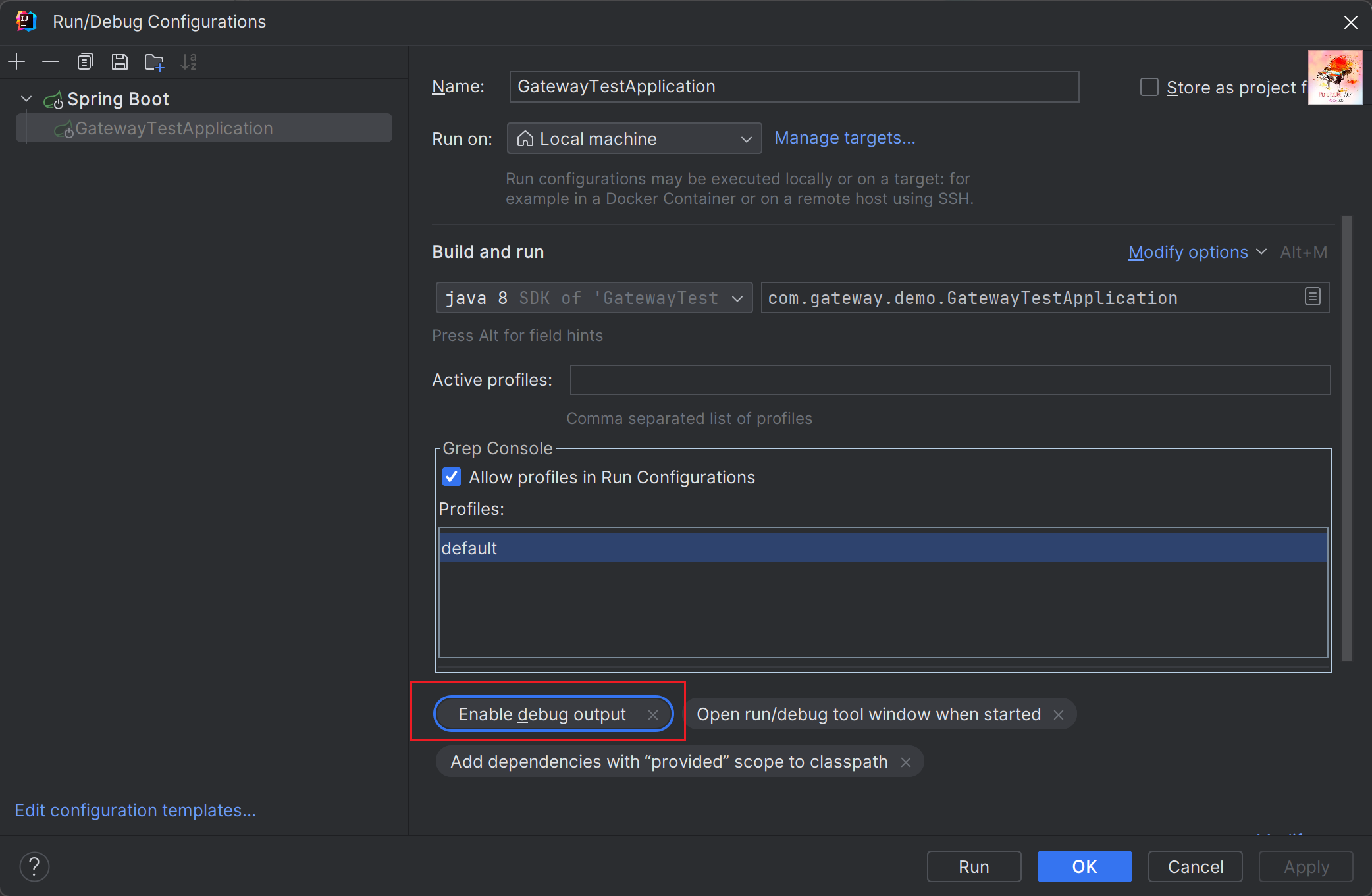
如果要 的可以进入Debug模式查看
进入方法有
- 命令行 启动时加入 --debug (jar 直接加就可以 ),maven命令行 mvn spring-boot:run --debug
- properties添加属性 debug=true
- 通过idea启动项上添加VM 配置 –Ddebug 新版idea只需要在 启动配置页面ALT+D就可触发
5.3、禁用自动配置
第一个方式
@SpringBootApplication(exclude = { XXXXX.class })
第二个方式
properties配置
spring.autoconfigure.exclude=XXXXXX
这两个配置其实是一个配置,只是写的地方不一样
在@SpringBootApplication的exclude属性
/*** Exclude specific auto-configuration classes such that they will never be applied.* 排除特定的自动配置类别,使其永不被应用。* @return the classes to exclude*/@AliasFor(annotation = EnableAutoConfiguration.class)Class<?>[] exclude() default {};/*** Exclude specific auto-configuration class names such that they will never be* applied.* @return the class names to exclude* @since 1.3.0*/@AliasFor(annotation = EnableAutoConfiguration.class)String[] excludeName() default {};可以注意, SpringBootApplication里面有一个exclude和 excludeName
因为有的像禁用的包没有导入的包会找不到.class文件 这个上海就可以使用包的全路径名类似org.springframework.boot.autoconfigure.jdbc.DataSourceAutoConfiguration,这个样子
自动配置是非侵入性的。Spring有一套默认的配置,当你开始自定义配置时,你配置的bean会自动使用代替默认配置
TIPS Spring文档 中提到一个点,不要去使用自动配置类中的方法或者属性,包括嵌套的配置类。都不建议你去使用。
无论是单一原则,还是系统后期版本变动都不应该去使用这些。
二、run()
run方法是 SpringApplication类下的一个方法,是负责启动Spring Boot的入口
@SpringBootApplication
public class GatewayTestApplication {public static void main(String[] args) {SpringApplication.run(GatewayTestApplication.class, args);}
}
SpringApplication下供有三个run方法分别是
- 静态方法, 使用默认设置从指定源运行SpringApplication。
public static ConfigurableApplicationContext run(Class<?> primarySource, String... args) {return run(new Class<?>[] { primarySource }, args);}
- 静态方法, 使用默认设置和用户提供的参数从指定的源运行SpringApplication。
public static ConfigurableApplicationContext run(Class<?>[] primarySources, String[] args) {return new SpringApplication(primarySources).run(args);}
- 运行Spring应用程序,创建并刷新一个新的ApplicationContext。
public ConfigurableApplicationContext run(String... args) {StopWatch stopWatch = new StopWatch();stopWatch.start();DefaultBootstrapContext bootstrapContext = this.createBootstrapContext();ConfigurableApplicationContext context = null;this.configureHeadlessProperty();SpringApplicationRunListeners listeners = this.getRunListeners(args);listeners.starting(bootstrapContext, this.mainApplicationClass);try {ApplicationArguments applicationArguments = new DefaultApplicationArguments(args);ConfigurableEnvironment environment = this.prepareEnvironment(listeners, bootstrapContext, applicationArguments);this.configureIgnoreBeanInfo(environment);Banner printedBanner = this.printBanner(environment);context = this.createApplicationContext();context.setApplicationStartup(this.applicationStartup);this.prepareContext(bootstrapContext, context,environment, listeners, applicationArguments, printedBanner);this.refreshContext(context);this.afterRefresh(context, applicationArguments);stopWatch.stop();if (this.logStartupInfo) {(new StartupInfoLogger(this.mainApplicationClass)).logStarted(this.getApplicationLog(), stopWatch);}listeners.started(context);this.callRunners(context, applicationArguments);} catch (Throwable var10) {this.handleRunFailure(context, var10, listeners);throw new IllegalStateException(var10);}try {listeners.running(context);return context;} catch (Throwable var9) {this.handleRunFailure(context, var9, (SpringApplicationRunListeners)null);throw new IllegalStateException(var9);}}
-
当你需要灵活配置或者又其他和Spring应用结构不同的情况下使用最后一个,
-
前两个其实是一个,第一个方法也会走到第二个run方法,他这样就是为了同时满足多模块程序和单模块程序,
-
下班了明天再写
参考文章
https://blog.csdn.net/u014131617/article/details/85335692
Spring中文文档
Spring文档
这篇关于@SpringBootApplication和SpringApplication.run源码解析:的文章就介绍到这儿,希望我们推荐的文章对编程师们有所帮助!